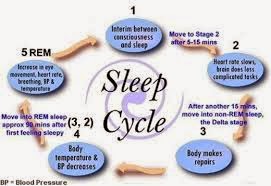
The last post was about sleep and how we don’t get enough. In this article I mentioned how important sleep is for recovery. If you haven’t heard yet, you don’t build muscle or get stronger when you are training/working out. After we have challenged our body, it improves various tissues and abilities to try and cope the next time it is challenged. So hitting the gym every day for 3 hours and working hard to work towards your goal, without adequate rest may be the reason you are feeling tired all the time and just feel crap. There is good news once you have identified the problem you can fix it. But what if you are still feeling sore and just seem to struggle? Well, there are various recovery methods that can be used and many are cheap that can help aid your body's recovery.
Firstly, just want to cover some quick information, muscle soreness often occurs 1-3 days after a big session this is known as DOMS (delayed onset of muscle soreness). If you are not sore after a session that doesn’t mean your body isn’t healing to get you, “them gains”. Something you should know our muscles will recover quicker than our neurological system. If this is new to you, let me explain, your muscles are the engine and the ignition system if your neurological system. Basically, your nervous system governs how much your muscles can give. The neurological system can take much longer to return to 100%.
So what can we do to aid the body to recover? Well, we have talked about sleep already. But there are other methods. The first one is just as, if not more important than exercise, it`s nutrition. The pre and post nutrition intake can make a big difference. Depending on what kind of exercise you are doing can dictate what kind of foods you could be eating. If it is intensive try to stay away from anything that can lead to an upset stomach or something that will be terrible if you vomit. Try to have a pre-workout meal about 1.5 hours before exercise this may mitigate the risk of vomiting. The pre workout meal helps provide the nutrients to fuel the workout and improve performance. As for the post workout meal, try to get your meal within 30 minutes after you train. Now this isn’t a hard rule but research has shown that 30 minutes after a session the body is at the optimal state to absorb the most nutrients to aid recovery. I`d recommend a pre-prepped meal for easy access with some protein and carbs. Also in the coming days, research shows that taking about 20-30g of protein every couple of hours can help keep the protein synthesis fires burning. So taking a heap of protein in one go may not be ideal.
So let’s talk water. Not hydration I assume you are doing this and I won`t go into depth about how important hydration is for recovery. But there other ways we can use water to improve our recovery. Firstly, the contrast shower, we use hot and cold water in an alternating fashion. This helps the body relax and begin the recovery process. I have seen multiple protocols for this, I personally use a 2mins hot and a minute’s cold. I repeat this for about 10 minutes. I will caution this can be tough as the cold feels really cold. I do contrast showers if I can’t get to a pool. I love to use the pool for recovery. When coming home from weightlifting training I jump straight into the pool and I begin to do some walking forwards and backwards, leg swings, arm swings, etc. Try to use movement that use muscles you have worked during your session. The cool water of the pool helps return the body back to a normal temperature state and relax the nervous system. The hydrostatic pressure of the water helps with muscle swelling (edema). An Epsom salt bath can be handy as well. The magnesium helps the muscle soreness and recovery and helps relax the nervous system. Dissolve about 500g into a hot bath and relax. Do not do this if you have high blood pressure or kidney issues.
Now back on dry land there are some key things we can do. The warm down is the biggest one. It helps the body works out metabolites built up from training and helps relax the body. After a weightlifting session I like to go for a 30min walk this way I get some recovery and I cover the exercise guidelines of moderate cardiovascular exercise. Now if you don’t have time for that, a simple 5min jog or a 5 minute walk followed by some stretching may be fine. Stretching is something we all should be doing be it around our exercise or just when we are in front of the TV. Stretching and yoga can help ease DOMs and relax us before bed. We can also do some self-massage of our muscles as well as this aids blood flow and helps relax our muscles like stretching. You can use a foam roller and all those instruments of release if you like.
The most important part of the recovery protocols I think is about returning the body back to its normal state and using blood flow to get nutrients to tissues that need it. It will relax the nervous system so the body can get to 100% regeneration mode. Try some of these out and see how they work for you. Get back to me in the comment section about what you like and dislike. I am still thinking of ideas for an online course. Contact me with what you would like to see.
Showing posts with label improved. Show all posts
Wednesday, 4 February 2015
Tuesday, 27 January 2015
You are getting sleepy
We live in a fast paced world, it only seems to be getting faster and our time is constantly strained or misused. We have jobs, family, hobbies and whatever season of a TV show we are currently watching. We take things for granted, simple things really. These simple things play a massive role in our lives, more than we realise. To be honest, if we get a lot of the basics done right the bigger picture becomes easier to manage. One of those basics is sleep. Seems simple, but getting good quality sleep seems to be a forgotten art form for many.
Does sleep matter that much? Whilst that is a general question the answer is obvious, yes it is. But why is does it matter has been researched for quite some time. Now you may have said “our body heals and restores”, you would be right. There are other reasons though, we heal when we are awake as well, but it seems we restore best when we are asleep. This may have to do with the fact that we are asleep and it seems like we heal and rest up since we are not consciously aware of time. We also seem to consolidate memory and begin to defrag the hard drive. Recently, scientists discovered that during sleep, our brain is very active in removing waste created by cells when we are awake. That is a big deal, but it is obvious we need sleep. Shift workers will often have an increased risk of various diseases due to disturbed sleep cycle. Sleep deprivation in rats leads to them dying. Now we are not rats, but sleep deprivation in humans can have some disastrous effects. Even with only a few hours less of sleep over a few days you may have found yourself craving sugar. That’s because of the hormone Leptin, it is affected by sleep duration and cannot signal properly that you are full. To make matters worse a peptide secreted in the stomach called Ghrelin signals an increase in appetite. That alone could be bad for those trying to lower their calorie intake.
So what can you do to improve sleep? Lay off the stimulants, energy drinks, coffee etc. I try not to drink coffee after 2pm and if I do I go decaf or have a fair bit of water to try and flush it. To add to the consumption theme try not to eat too much before going to bed it can make you uncomfortable and the thermic effect of digestion of food doesn’t help either. Alcohol has been shown to upset our sleep cycle so try to moderate your alcohol intake.
When you go to bed do you sleep on a bed of nails? Probably not, but it is important to have an environment that is conducive to you sleeping. The temperature should comfortably cool 60-75F and limit distractions in your room. Electronics in your room are a big distraction and have been shown to interfere with your sleep. So turn off the TV, put down the phone or leave them out in the lounge.
Try and get your exercise done earlier rather than later. I have a rule to try and not train after 9pm. For those of you that are morning people you may get your exercise out of the way no problem. It is important to try and be consistent with when you go to sleep and when you wake up. Try to keep it within 30mins or so of your goal sleeping and rising. Try to get to sleep before midnight. I have noticed a lowered training output if I sleep after 12pm no matter how good it is. It may be helpful to read or meditate, even a light stretch before sleeping will do wonders for your sleep quality.
But how many hours should I get? The general guidelines seem to be about 7-9 hours. How do I know if I slept well? Seems obvious, but I thought I’d measure it to find out. There are many ways to track this. I used the app Sleepbot on my phone, I put it on and then put the phone under my pillow and it tracked my motion whilst I slept as this seems to correlate with sleep quality and cycle. I personally was not a fan of having a phone under my pillow and trying to sleep. It was like my body wouldn’t go through a complete cycle when using it. I stopped using it and slept better. You may like to try a sleep log or a Fitbit or similar as they are on your wrist.
Sleep is a big part of your life, health, recovery and overall wellbeing. It is important that you get this one basic right. All of the supplements and recovery techniques cannot replace a good quality night’s sleep.
http://www.eurekalert.org/pub_releases/2013-10/uorm-tsp100913.php
http://www.sharecare.com/health/healthy-sleeping/lack-of-sleep-affects-appetite
Make a comment below about what future articles you would like. I am considering creating a online course, what should I make the course about? Comment or contact me via email
Does sleep matter that much? Whilst that is a general question the answer is obvious, yes it is. But why is does it matter has been researched for quite some time. Now you may have said “our body heals and restores”, you would be right. There are other reasons though, we heal when we are awake as well, but it seems we restore best when we are asleep. This may have to do with the fact that we are asleep and it seems like we heal and rest up since we are not consciously aware of time. We also seem to consolidate memory and begin to defrag the hard drive. Recently, scientists discovered that during sleep, our brain is very active in removing waste created by cells when we are awake. That is a big deal, but it is obvious we need sleep. Shift workers will often have an increased risk of various diseases due to disturbed sleep cycle. Sleep deprivation in rats leads to them dying. Now we are not rats, but sleep deprivation in humans can have some disastrous effects. Even with only a few hours less of sleep over a few days you may have found yourself craving sugar. That’s because of the hormone Leptin, it is affected by sleep duration and cannot signal properly that you are full. To make matters worse a peptide secreted in the stomach called Ghrelin signals an increase in appetite. That alone could be bad for those trying to lower their calorie intake.
So what can you do to improve sleep? Lay off the stimulants, energy drinks, coffee etc. I try not to drink coffee after 2pm and if I do I go decaf or have a fair bit of water to try and flush it. To add to the consumption theme try not to eat too much before going to bed it can make you uncomfortable and the thermic effect of digestion of food doesn’t help either. Alcohol has been shown to upset our sleep cycle so try to moderate your alcohol intake.
When you go to bed do you sleep on a bed of nails? Probably not, but it is important to have an environment that is conducive to you sleeping. The temperature should comfortably cool 60-75F and limit distractions in your room. Electronics in your room are a big distraction and have been shown to interfere with your sleep. So turn off the TV, put down the phone or leave them out in the lounge.
Try and get your exercise done earlier rather than later. I have a rule to try and not train after 9pm. For those of you that are morning people you may get your exercise out of the way no problem. It is important to try and be consistent with when you go to sleep and when you wake up. Try to keep it within 30mins or so of your goal sleeping and rising. Try to get to sleep before midnight. I have noticed a lowered training output if I sleep after 12pm no matter how good it is. It may be helpful to read or meditate, even a light stretch before sleeping will do wonders for your sleep quality.
But how many hours should I get? The general guidelines seem to be about 7-9 hours. How do I know if I slept well? Seems obvious, but I thought I’d measure it to find out. There are many ways to track this. I used the app Sleepbot on my phone, I put it on and then put the phone under my pillow and it tracked my motion whilst I slept as this seems to correlate with sleep quality and cycle. I personally was not a fan of having a phone under my pillow and trying to sleep. It was like my body wouldn’t go through a complete cycle when using it. I stopped using it and slept better. You may like to try a sleep log or a Fitbit or similar as they are on your wrist.
Sleep is a big part of your life, health, recovery and overall wellbeing. It is important that you get this one basic right. All of the supplements and recovery techniques cannot replace a good quality night’s sleep.
http://www.eurekalert.org/pub_releases/2013-10/uorm-tsp100913.php
http://www.sharecare.com/health/healthy-sleeping/lack-of-sleep-affects-appetite
Make a comment below about what future articles you would like. I am considering creating a online course, what should I make the course about? Comment or contact me via email
Subscribe to:
Comments (Atom)